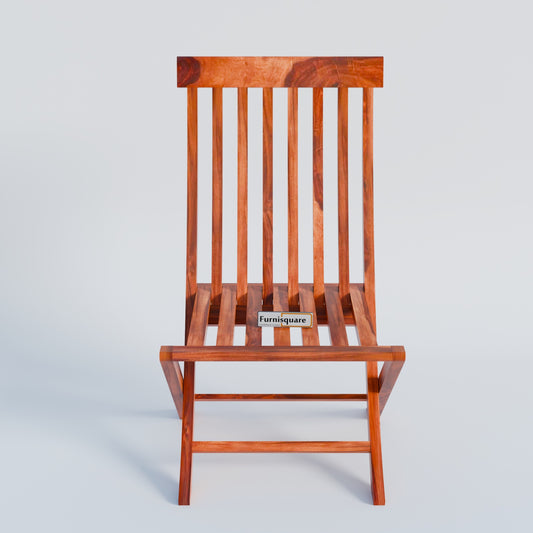
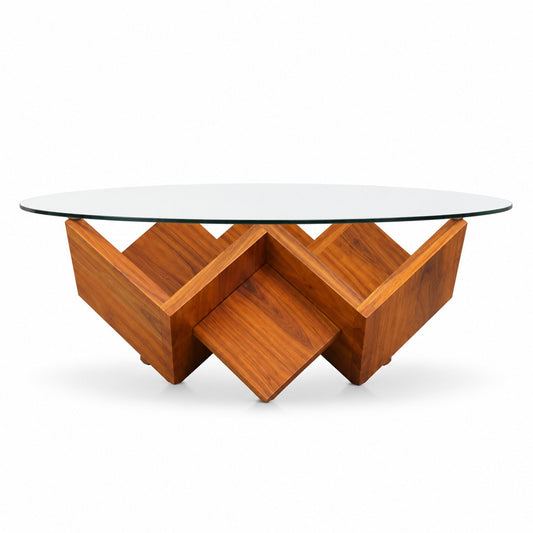
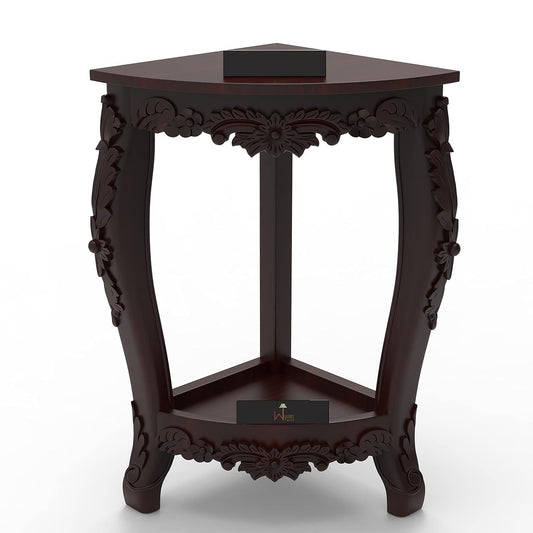
Living room furniture usually does four jobs: it gives the TV a home, provides surfaces for drinks and lamps, keeps things put away and adds seating beyond the sofa. FurniSquare's range covers all four, from TV units and coffee tables to sideboards, bookshelves and chairs, with many pieces in solid Sheesham wood. Below you will find what each type is for, how to choose between them and what the material terms mean.
Explore Living Room Furniture by Type
TV Units
A TV unit gives the television and its equipment a home, and the right one depends first on how your TV is set up. If the TV stands on the unit, check that the top is wide and deep enough for the TV's stand or base, and review the TV manufacturer's support and weight requirements. If the TV is wall-mounted, the unit sits below it and mainly looks after the set-top box, speakers, games console and the cables that run to them. Doors and drawers hide that clutter, while open shelves keep devices easy to reach. Compare the unit's dimensions with your wall space, the width of your TV and the equipment you want to store.
Coffee Tables, Side Tables and Console Tables
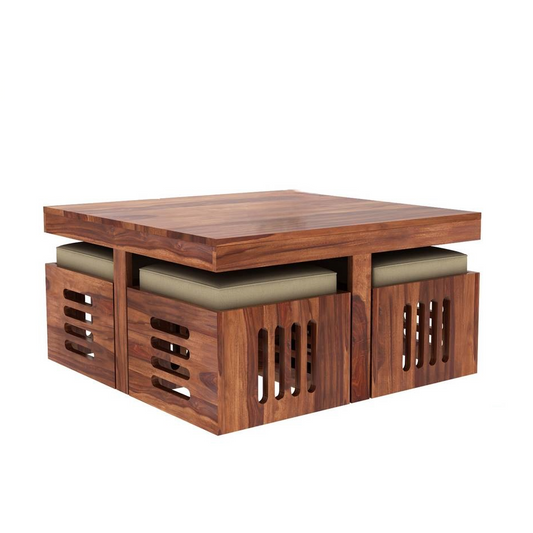
Tables are easier to choose once you know where each one will sit. A coffee table goes in front of the seating and becomes the shared surface for drinks, books and snacks. A height close to the sofa seat usually keeps things easy to reach. Shapes vary: a round or oval top can be easier to move around in a tight room, while a rectangular one gives you more surface. Some designs add a shelf, drawers or stools.
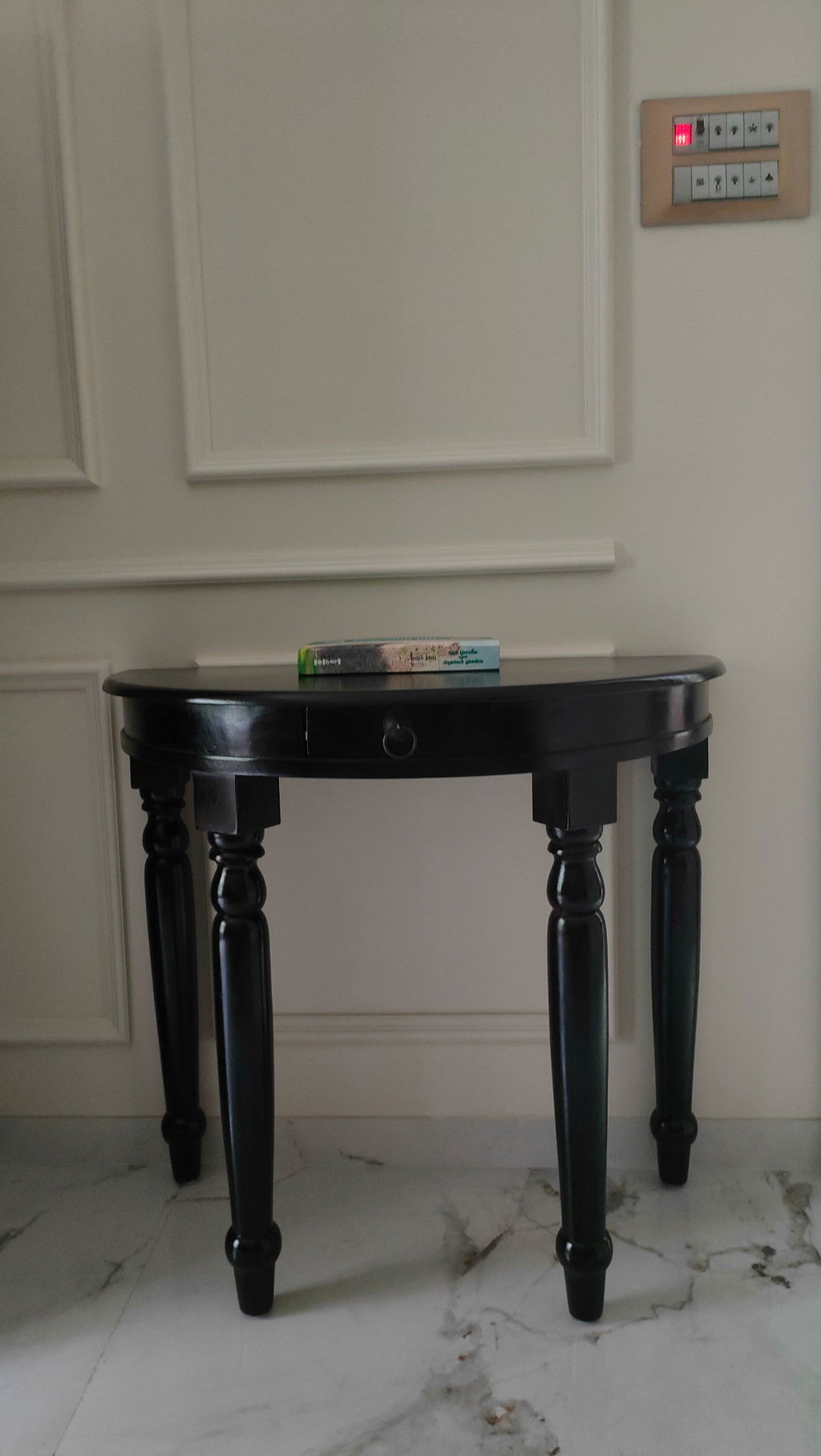
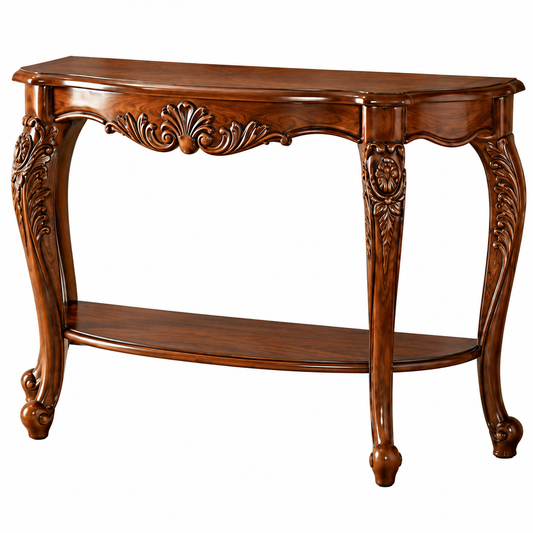
Side and end tables sit at the arm of a sofa or chair, handy for a lamp or a cup of tea. A console table is usually slimmer than other tables and goes against a wall, whether behind a sofa, in an entry or along a hallway. Nesting tables come as a set that fits together, so you can spread them out for guests and tuck them away when the room needs the space.
Sideboards, Bookshelves and Chests of Drawers
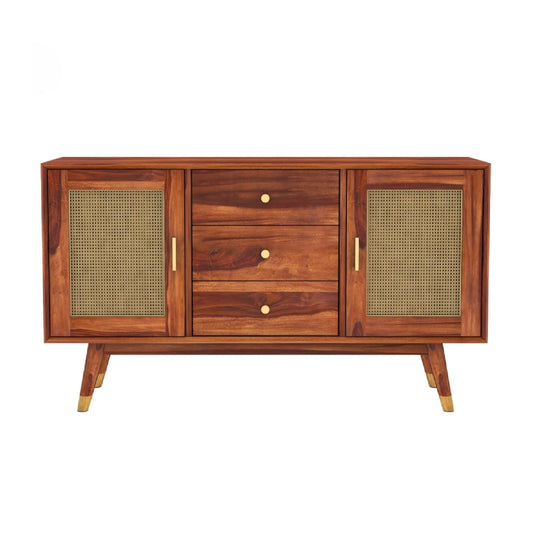
These three handle storage in different ways, so the right one depends on what you need to keep. Sideboards are usually long, low cabinets with doors, drawers or both, which suits tableware, board games and spare cushions, and the top can hold a lamp or a plant. Bookshelves suit books and objects you want to see or reach quickly, and they use wall height instead of floor space. Chests of drawers sort smaller items such as linen or papers into drawers. Height, depth and layout vary from one design to the next, so decide what you need to store before you pick one.
Chairs, Benches and Other Furniture
Chairs add seating without the footprint of a second sofa, and folding designs can be put away when you do not need them. Benches suit places where a chair would feel bulky, such as the end of a seating area or by the entry door. Shoe racks keep footwear off the floor near the door, and pooja mandirs give the household shrine a place of its own. Looking for a sofa? Sofas and sofa sets are in the Sofa collection.
How to Choose Living Room Furniture
Start with the problem you want to solve. If you need a dedicated place for your television and media equipment, start with a TV unit. If the space beside your sofa is bare, side tables come first. If cables, games and remotes are scattered around, look at closed storage. Buying for one clear gap at a time usually works better than filling the whole room at once.
Next, measure. Mark the footprint of a piece on the floor with tape and walk around it, leaving room to open doors and drawers and to move between pieces. On the product page, look at width, depth and height together, because depth often decides whether a piece suits a narrow wall or a hallway.
Layout matters as well. In a small room, a piece that uses wall height, such as a bookshelf, leaves more floor free than several low pieces spread out. In a larger room, a console table behind the sofa or a long sideboard on a bare wall can fill space that would otherwise look empty. Keep the TV unit, the seating and the coffee table in proportion to one another so that no single piece dominates.
Finally, think about storage and material. Doors and drawers keep clutter out of sight, while open shelves are quicker to use but show everything on them. A solid wood piece, a veneered piece and an MDF piece can look similar at first glance, so read the material on the product page and use the next section to understand the terms.
Living Room Furniture Materials
Solid wood furniture is made from natural timber rather than wood-based composite boards. Grain patterns and color vary between pieces, giving each one a different appearance. Engineered wood is a broad term for boards made by bonding layers, strips, particles or fibers of wood together, and plywood, particleboard and MDF all belong to it. MDF, short for medium-density fiberboard, is made from fine wood fibers pressed with resin into a smooth board, usually covered with paint, laminate or veneer. Veneer is a thin slice of real wood glued onto a base, which can be solid wood or an engineered board.
None of these is automatically better than the others. How a piece performs depends on the quality of the material, how it is built and where it will be used, so judge the specific piece rather than the label. Many pieces in the Living Room collection are made from solid Sheesham wood, a hardwood with a visible grain, while others use different materials and construction methods. The material is listed in each product's specifications.
Finish changes the look as well. A natural finish lets the wood's own color and grain show, while a darker finish such as walnut gives a deeper tone.
FAQs
What furniture do I need for a living room?
Most living rooms need seating, a place for the TV if you watch one, a surface beside the seating, and some storage. Start with what you use the room for, then add a coffee table or side tables, and a sideboard or bookshelf for things you want close.
How do I choose furniture for a small living room?
Measure the room first, then choose fewer, smaller pieces and keep clear paths to walk through. Furniture that uses vertical space, such as a tall bookshelf, can help make better use of limited floor space, and nesting tables or folding chairs can be stored when you don't need them. Check each product's listed dimensions before ordering.
What should I check before buying wooden living room furniture?
Check the material in the product specifications, since solid wood, engineered wood, MDF and veneer are different. Then compare the listed dimensions with your space, and look at whether the doors, drawers or open shelves suit what you plan to store.
Does living room furniture need assembly?
Assembly requirements vary by product. Check the individual product page for assembly information before ordering.
Can I customize a living room piece?
Most pieces can be customized in size, finish and fabric for an extra charge, and customized orders take longer to deliver. Check the product page for the piece you want.